 hezblog
Trump Iran War Semantics: Debate Over Congress Approval Grows
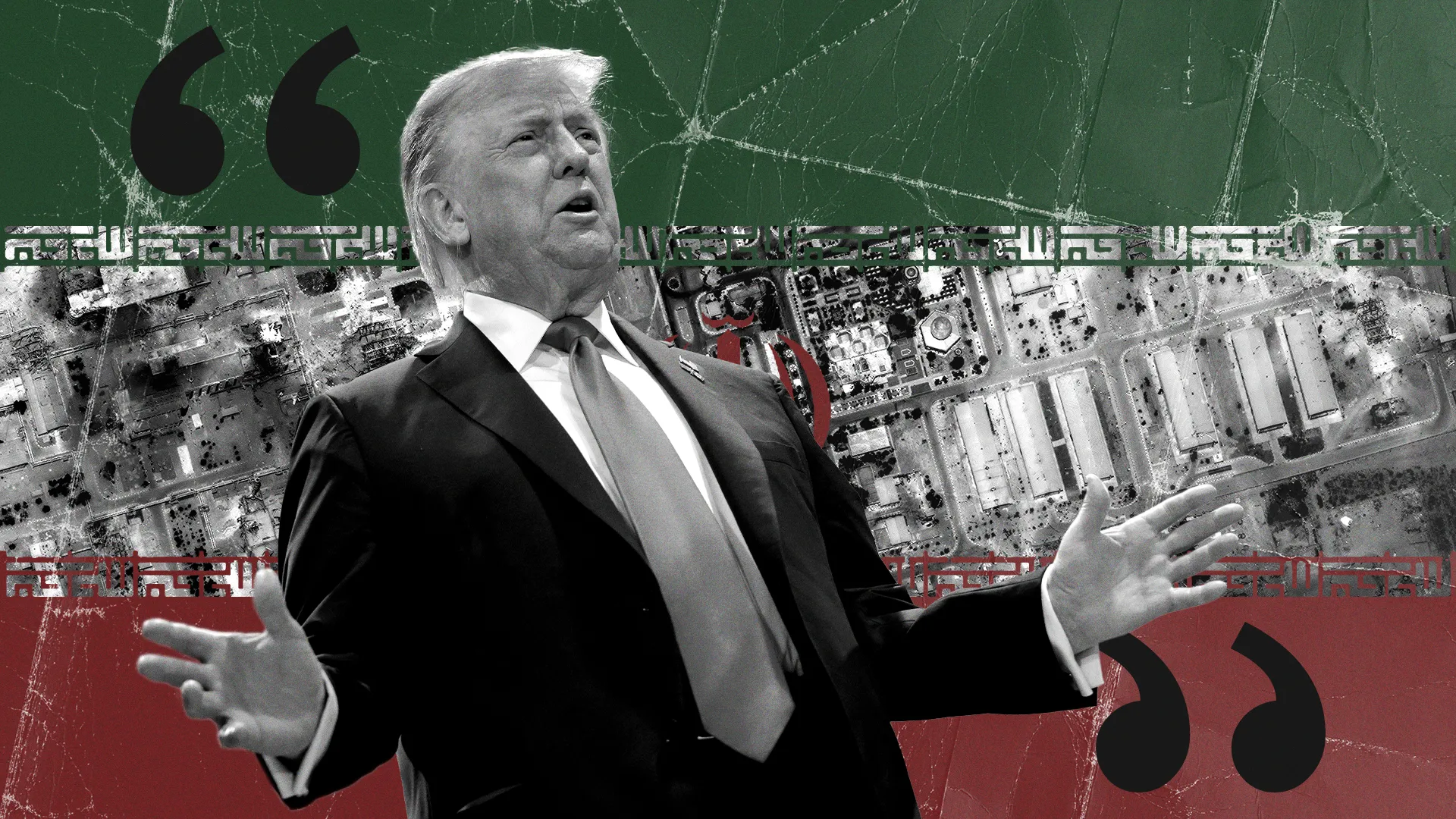
The issue of Trump Iran war semantics is drawing major attention as debate grows over presidential authority and congressional approval. At the center of the discussion is how language shapes the legal and political framing of U.S. military actions.
President Donald Trump has avoided consistently calling the ongoing conflict with Iran a “war.” Instead, he often uses terms like “military operation” or “decimation.” However, in several public remarks, he has still referred to the situation as a war, creating confusion and criticism.
Why the Word “War” Matters
The distinction is not just about language. Under U.S. law, calling a conflict a war can trigger the need for congressional approval. The War Powers Resolution limits how long a president can engage in military action without authorization from Congress.
By avoiding the term “war,” the administration appears to be sidestepping these legal requirements. This strategy has sparked concern among lawmakers from both parties, who argue that Congress should have a greater role in authorizing prolonged military engagement.
Growing Political Debate
The Trump Iran war semantics debate highlights a broader issue of executive power. Critics say the administration’s mixed messaging is intentional, allowing flexibility while avoiding legal constraints.
At the same time, efforts in Congress to limit the president’s authority have struggled to gain traction. Recent attempts to pass measures under the War Powers Resolution have failed, leaving the administration with significant control over military decisions.
Supporters of the administration argue that the current operations are limited in scope and do not require formal approval. Officials have also emphasized that the conflict has a defined objective and timeline.
Impact on U.S. Policy
This debate could have long-term consequences for how future conflicts are handled. If presidents can avoid congressional approval by changing terminology, it may reshape the balance of power between the executive and legislative branches.
Meanwhile, the situation with Iran remains tense. Military actions continue alongside diplomatic efforts, adding urgency to the legal and political questions surrounding the conflict.
Final Thoughts
Trump Iran war semantics is more than a wording issue. It reflects a deeper constitutional debate about who has the authority to take the United States into war.
As the conflict evolves, pressure is likely to increase on both the White House and Congress to clarify their roles. The outcome of this debate could influence U.S. foreign policy for years to come.


 hezblog