 hezblog
Iran War Inflation AI: How Conflict Is Driving Prices Higher
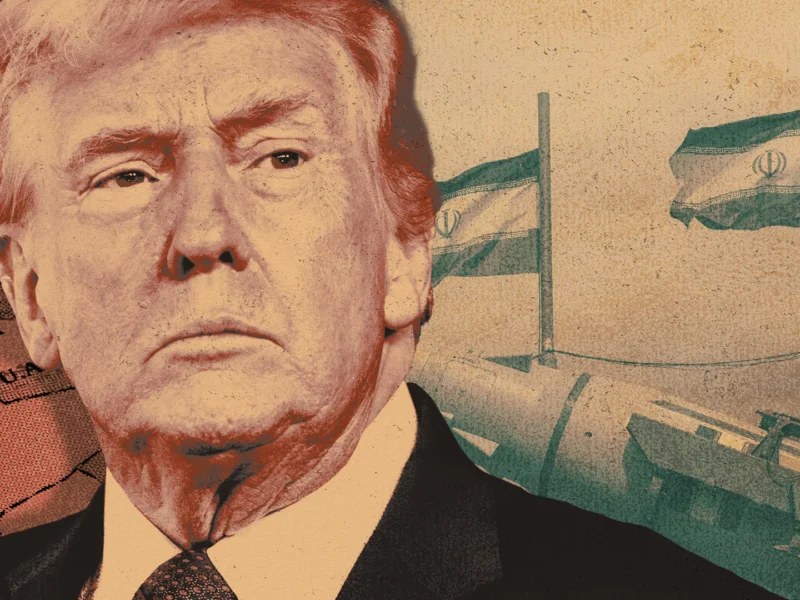
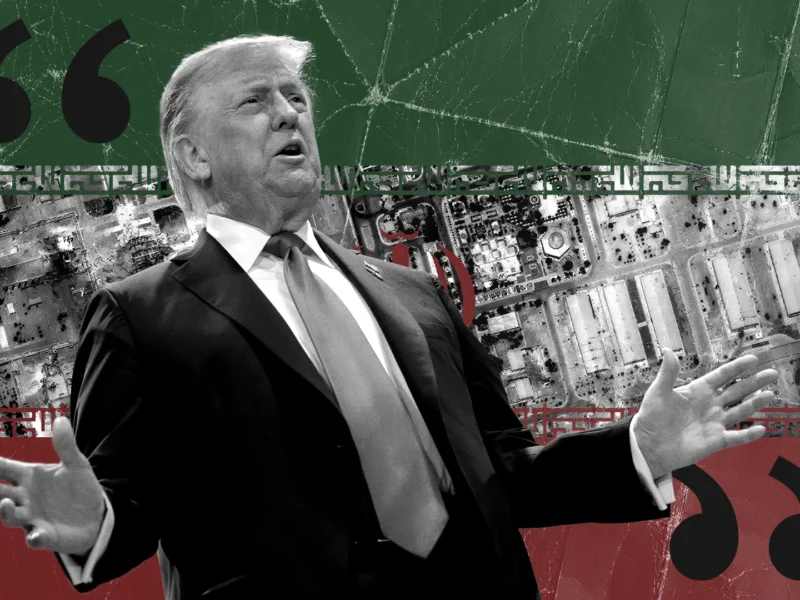
The topic of Iran war inflation AI is becoming increasingly important as global markets react to rising tensions in the Middle East. The ongoing conflict is not only affecting geopolitics but also reshaping inflation trends and economic expectations.
Rising Inflation Pressures
The Iran war is already pushing inflation higher across major economies. According to recent analysis, disruptions in energy supply have caused a surge in oil prices. This has a direct impact on transportation, manufacturing, and everyday consumer goods.
In the United States, inflation is now projected to reach around 4.2% in 2026. This is significantly higher than earlier forecasts and reflects the growing impact of the conflict.
The situation is similar globally. G20 countries are also expected to see inflation rise due to increased energy costs and supply chain disruptions.
Why Energy Markets Matter
One of the biggest drivers of Iran war inflation AI is the disruption in oil supply routes. The Strait of Hormuz, a critical pathway for global energy shipments, has seen major instability. This has reduced supply and pushed prices above $100 per barrel.
As a result, fuel costs are rising worldwide. Higher energy prices tend to spread across the economy, making goods and services more expensive.
Role of AI in the Economy
While inflation is rising, artificial intelligence is playing a different role in the economy. AI-driven industries are still growing and attracting investment. However, this growth may not be enough to fully offset the economic damage caused by the war.
In fact, the combination of geopolitical instability and rapid technological change is creating uncertainty. Businesses are facing higher costs while also trying to invest in new technologies.
Broader Economic Impact
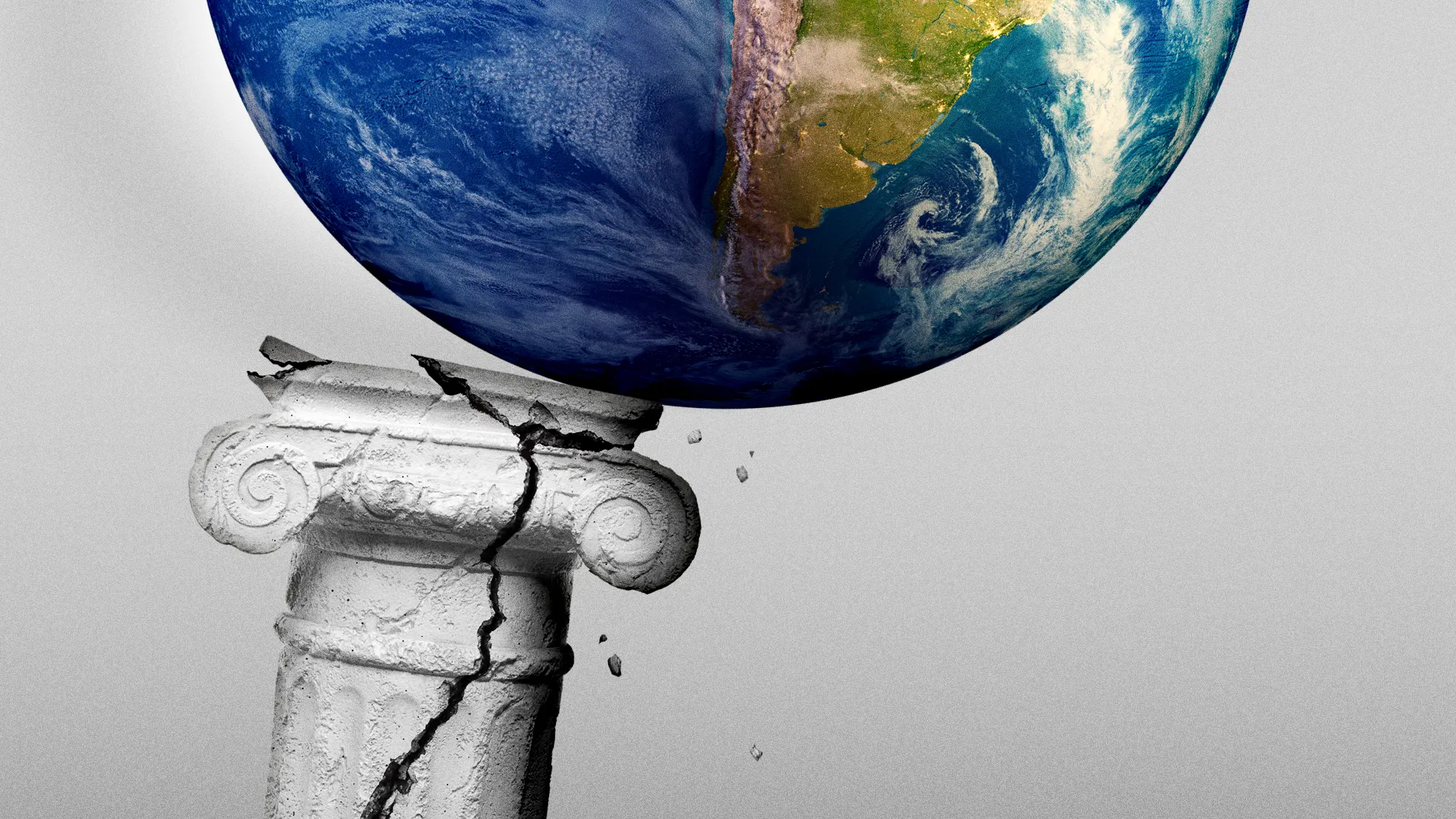
The Iran war inflation AI trend highlights a larger economic challenge. Global growth is expected to slow, even as inflation rises. This creates a difficult situation for central banks, which may need to keep interest rates higher for longer.
At the same time, supply chains for key industries—including energy, food, and technology—are being disrupted. These pressures could continue if the conflict persists.
Final Thoughts
Iran war inflation AI shows how closely connected global events and economic trends have become. While AI offers long-term growth potential, short-term challenges from the war are dominating the economic outlook.
If the conflict continues, inflation could remain elevated, affecting consumers and businesses worldwide. The balance between innovation and instability will shape the global economy in 2026 and beyond.


 hezblog