 hezblog
Allston Food Hall Vendors Seek Alcohol Licenses Ahead of Opening
A new food hall in Allston is preparing to open, and several vendors are now seeking alcohol licenses to expand their offerings. The move reflects a broader shift in Boston’s dining scene, where access to liquor licenses can play a major role in a business’s success.
City officials are expected to review applications from nearly a dozen vendors connected to the upcoming food hall project.
What Is the Allston Food Hall Project?
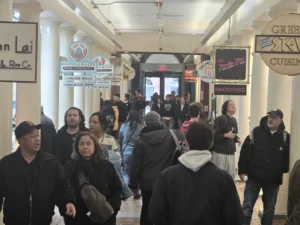
The food hall, known as Nova Marketplace, is set to bring together a wide variety of global cuisines under one roof. The space is expected to host multiple vendors, including popular international food and beverage brands.
Some of the businesses planning to operate inside the hall include Chinese fast-food chain Zhengxin Chicken, beverage brand Cotti Coffee, and dessert spot Fluffy Fluffy.
The project aims to create a vibrant dining destination in Allston, a neighborhood already known for its diverse food culture and student population.
Why Alcohol Licenses Matter
For many restaurants and food vendors, alcohol sales can significantly increase revenue. However, getting a liquor license in Boston has historically been difficult and expensive due to strict state regulations.
In recent years, the city has taken steps to expand access. New legislation introduced hundreds of additional licenses, making it easier for small businesses to compete.
Even so, the process remains competitive. Vendors must demonstrate a public need and meet regulatory requirements before approval.
A Boost for Local Businesses
If approved, these alcohol licenses could give Allston food hall vendors a major advantage. Being able to serve beer, wine, or cocktails often attracts more customers and encourages longer visits.
The timing is also important. Boston has been actively working to distribute new licenses across neighborhoods that previously had limited access.
This effort is designed to support small businesses and promote economic growth beyond the city’s traditional dining hubs.
Challenges Still Remain
Despite progress, challenges remain for new food vendors. Licenses are still limited, and the approval process can be slow. Additionally, some licenses come with restrictions, such as being tied to specific locations or requiring return to the city if unused.
These factors can create uncertainty for businesses planning their operations.
Conclusion: A Key Step for the Food Hall’s Success
The push for alcohol licenses is an important step for the Allston food hall as it prepares to open. Approval could enhance the overall experience for customers and improve business prospects for vendors.
As Boston continues to expand access to liquor licenses, projects like this highlight how policy changes can shape the future of local dining.
For now, all eyes are on the city’s decision, which could determine how successful the new food hall becomes.

 hezblog