 hezblog
How MBTA Uses Third Rail Anti-Icing Trains to Prevent Winter Delays
Winter weather can severely disrupt public transportation, especially in cities like Boston. To prevent delays, the Massachusetts Bay Transportation Authority (MBTA) uses a specialized system known as third rail anti-icing.
This system plays a critical role in keeping subway trains running smoothly during snow and freezing temperatures.
What Is Third Rail Anti-Icing?
The MBTA’s subway system relies on a third rail to supply electricity to trains. However, snow and ice can build up on this rail, blocking the flow of power.
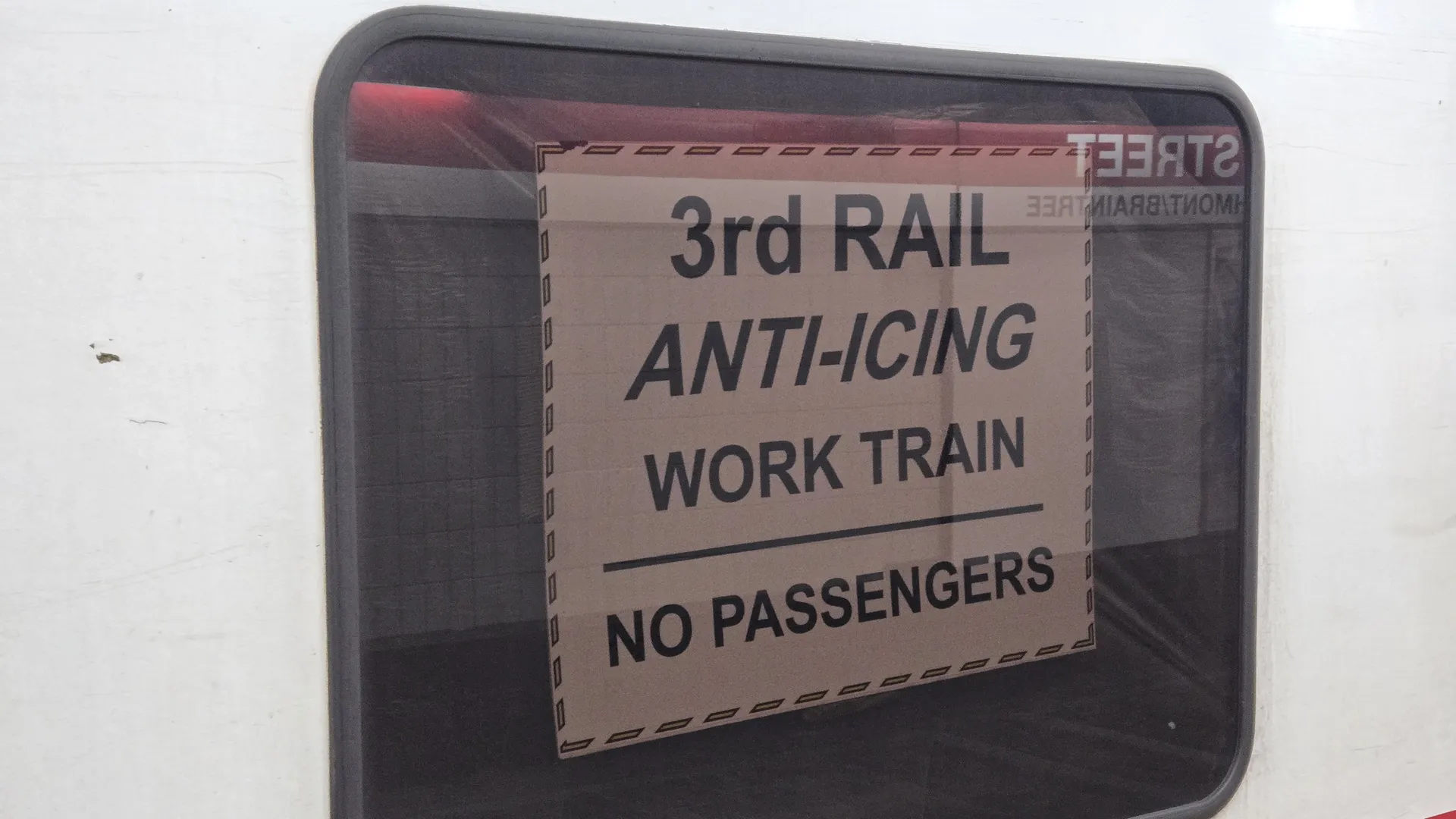
To solve this problem, the MBTA deploys modified train cars equipped with anti-icing technology. These trains are not used for passengers. Instead, they are designed specifically to maintain the rail system during harsh weather.
How the Anti-Icing System Works
The anti-icing trains spray a special glycol-based solution onto the third rail as they move along the tracks. This liquid prevents ice from forming and sticking to the rail.
By keeping the rail clear, the system ensures that trains continue to receive power without interruption.
This process is especially important during snowstorms, when even a thin layer of ice can cause major service disruptions.
Why It Matters for Riders
For commuters, the benefits are significant. A frozen third rail can lead to stalled trains, delays, and even dangerous situations.
In the past, severe winter storms have caused major breakdowns in Boston’s transit system. Ice-covered rails have left trains stranded and passengers stuck for hours.
The anti-icing system helps prevent these issues by addressing the problem before it starts.
Part of a Larger Winter Strategy
Third rail anti-icing is just one part of the MBTA’s broader winter preparedness plan. The agency also uses rail heaters, snow removal equipment, and infrastructure upgrades to improve reliability.
Over the years, investments in winter resilience have helped reduce disruptions and improve service during extreme weather conditions.
Conclusion
The MBTA third rail anti-icing system is a behind-the-scenes solution that plays a big role in daily commuting. While most riders never see these specialized trains, their impact is clear.
By preventing ice buildup and maintaining power flow, the system helps keep Boston moving—even in the harshest winter conditions.


 hezblog